
Understand Cybersecurity Compliance and the Legislation Behind It

What is cybersecurity compliance?
Cybersecurity compliance is the process of meeting legal, regulatory and industry requirements designed to reduce cyber risk and protect organisations, customers and digital services. As phishing, scams, brand impersonation and other forms of digital abuse continue to evolve, organisations are increasingly expected to take proactive steps to identify threats, respond effectively and demonstrate appropriate risk management.
For many organisations, cybersecurity compliance is no longer just an IT or legal responsibility. It has become a business-wide priority that influences governance, customer trust and operational resilience. Understanding the regulatory landscape is an important step towards meeting these obligations and reducing the risk of cyber-enabled harm.
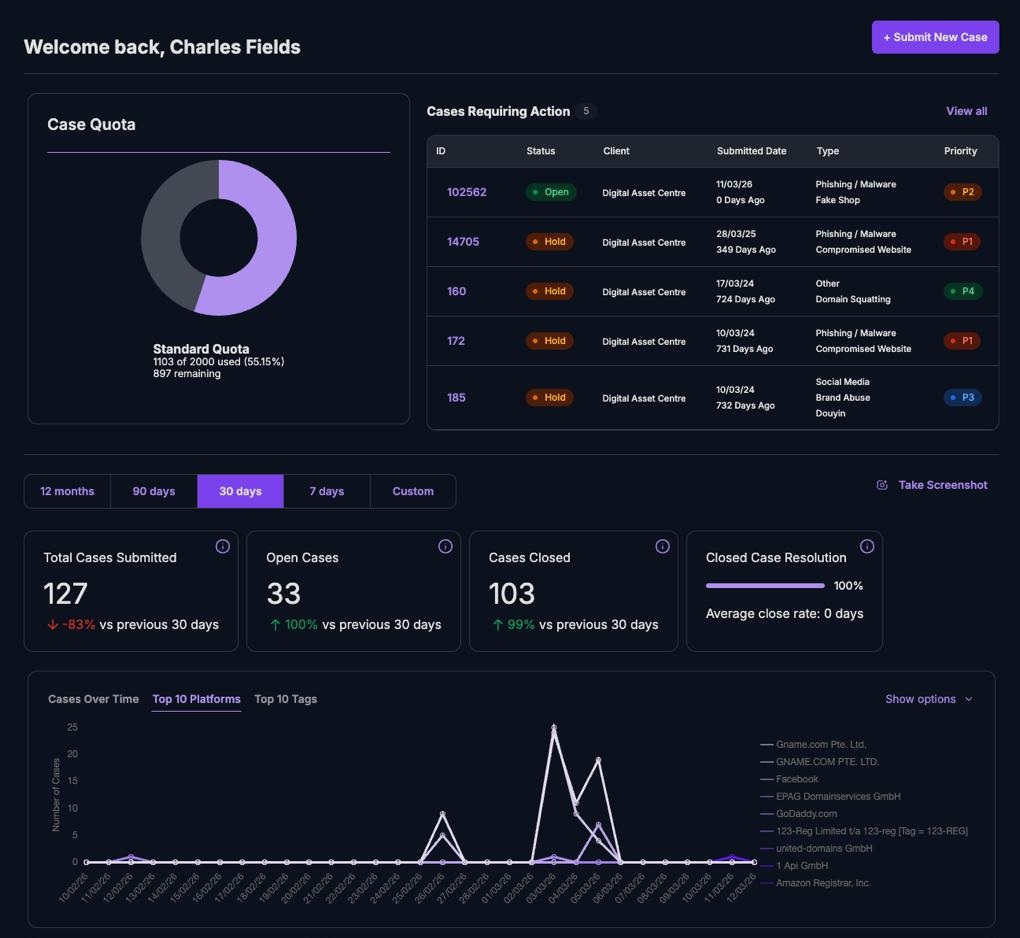
By combining continuous threat monitoring, effective disruption and evidence-backed reporting, organisations can strengthen both their compliance posture and overall brand protection. Unphish helps organisations detect, investigate and disrupt digital threats while providing the visibility and audit trail needed to support compliance obligations and demonstrate proactive risk management.
A changing regulatory landscape
Governments around the world are introducing legislation and regulatory frameworks designed to improve cybersecurity, reduce online harm and strengthen consumer protection. While each jurisdiction has its own requirements, many share a common expectation: organisations should take proactive steps to identify, investigate and disrupt cyber threats before they can cause harm.
Explore how cybersecurity legislation is evolving across key markets and discover how Unphish helps organisations support their compliance obligations through intelligence-led threat detection and disruption.

Australia’s Scam Prevention Framework (SPF) establishes mandatory obligations for regulated sectors to help prevent, detect, respond to and disrupt scams. As the framework is progressively implemented, organisations are expected to adopt stronger systems, processes and governance to reduce scam-related harm and demonstrate effective risk management.
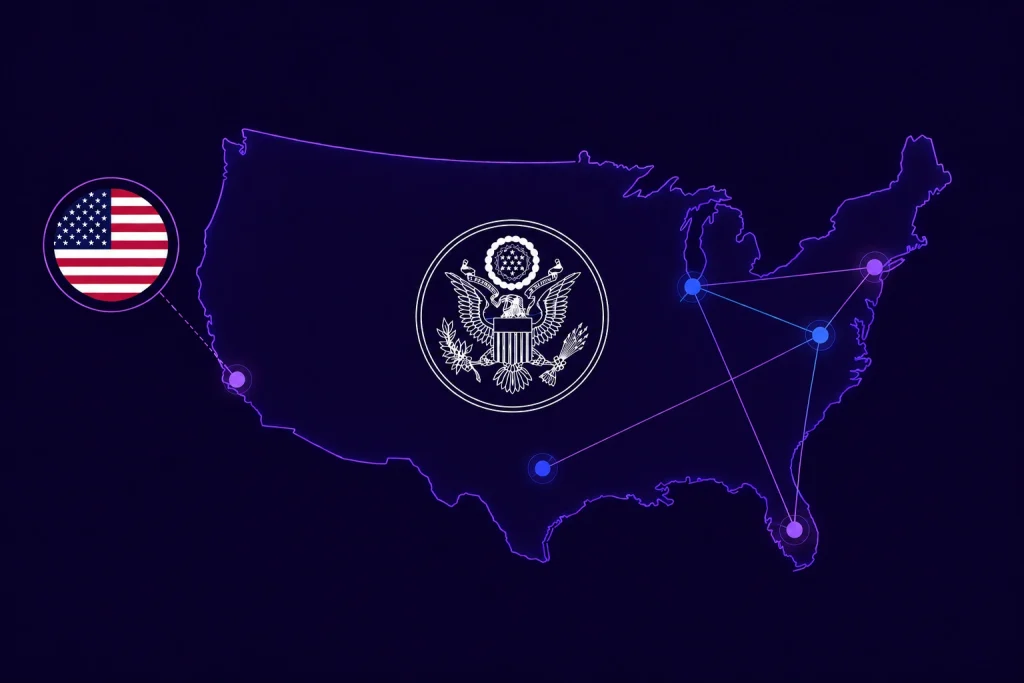
The United States has a fragmented but increasingly robust cybersecurity enforcement landscape, with multiple federal agencies working to combat online fraud, impersonation and scam activity. Organisations are expected to take proactive steps to detect threats, disrupt fraudulent infrastructure and support consumer protection through effective risk management and evidence-backed enforcement.
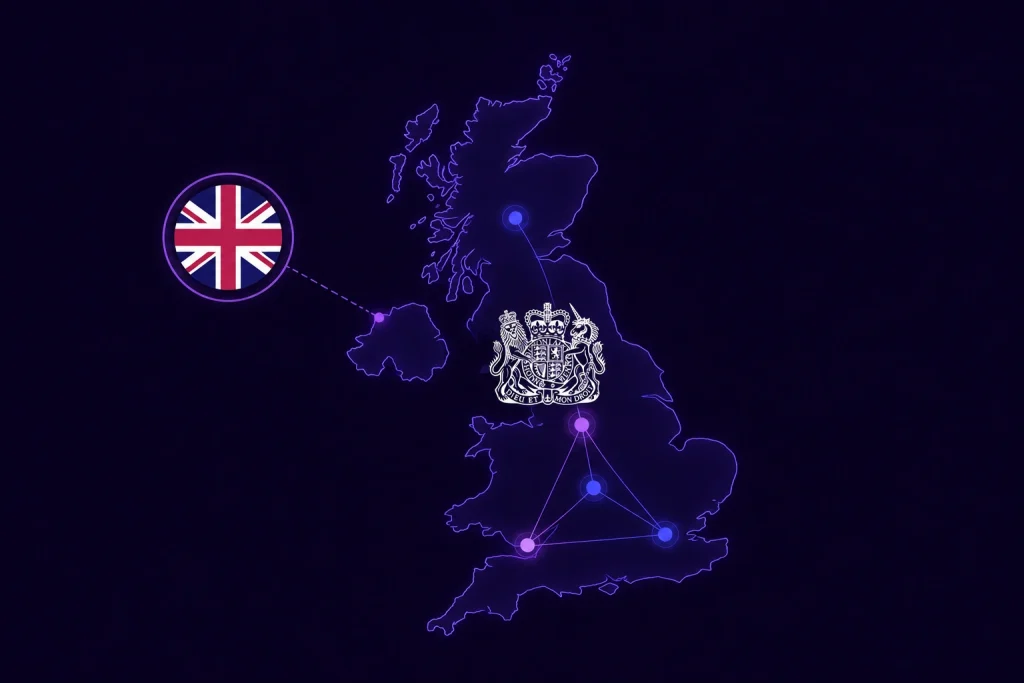
The UK’s Online Safety Act introduces a duty of care framework requiring in-scope online services to take proactive steps to reduce illegal content and activity, including fraud and scams. Organisations are expected to implement appropriate systems, risk assessments and processes to identify, mitigate and respond to online harms.
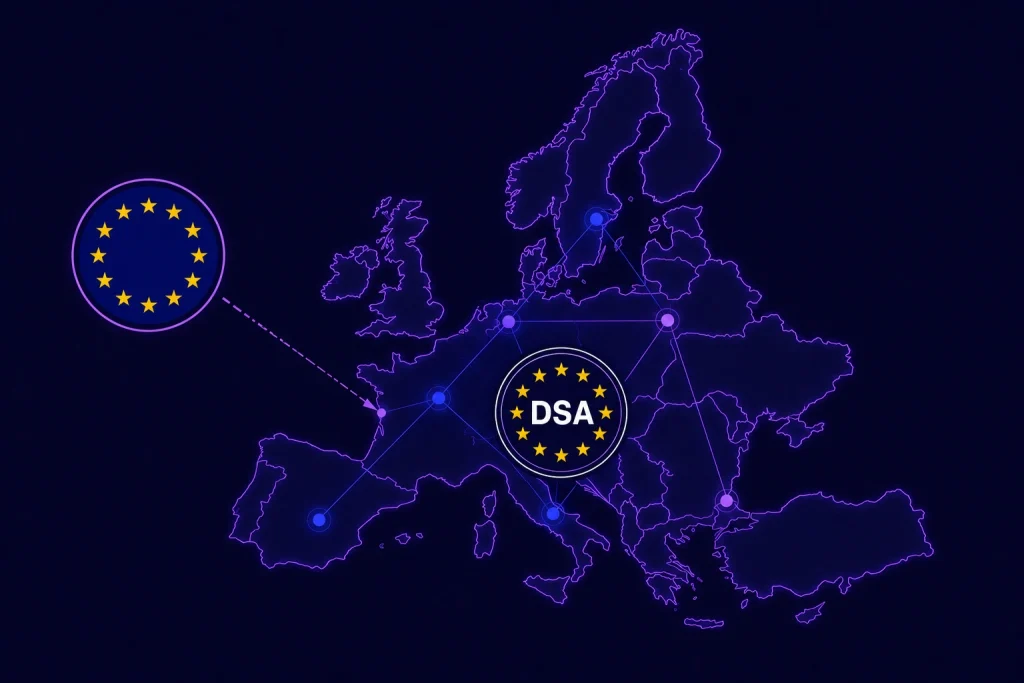
The European Union’s Digital Services Act (DSA) establishes a common framework for tackling illegal content, strengthening platform accountability and improving online safety across EU member states. It introduces requirements for notice-and-action processes, transparency, risk management and evidence-based enforcement.
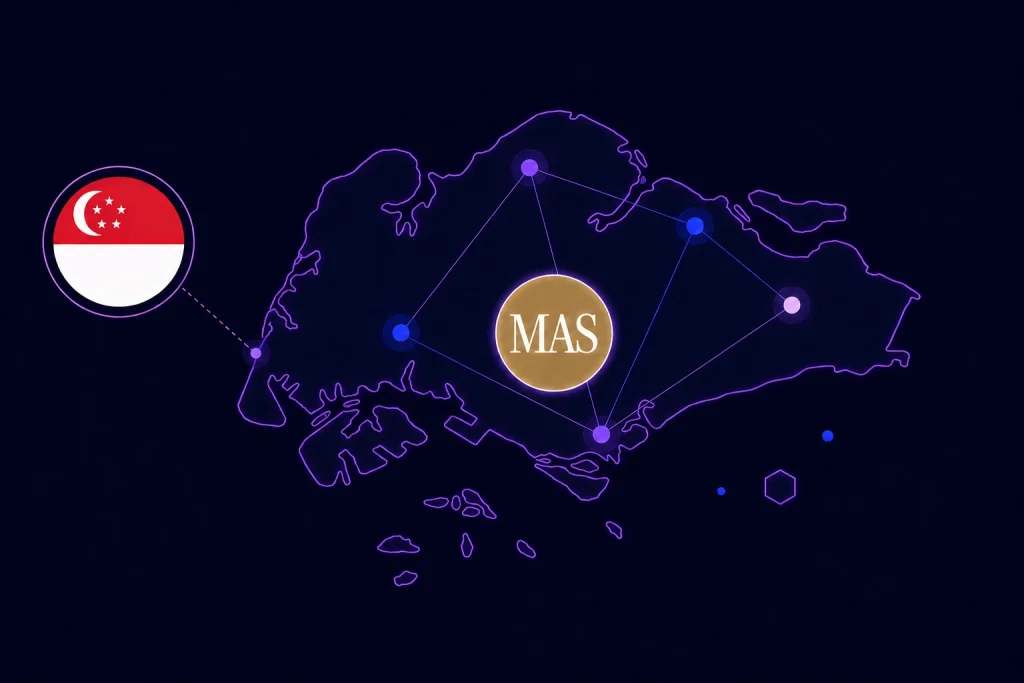
Singapore’s Shared Responsibility Framework (SRF) establishes a coordinated approach to reducing phishing scams by defining the responsibilities of financial institutions and telecommunications providers. The framework promotes proactive scam prevention, clear accountability and stronger operational controls to help minimise customer harm.
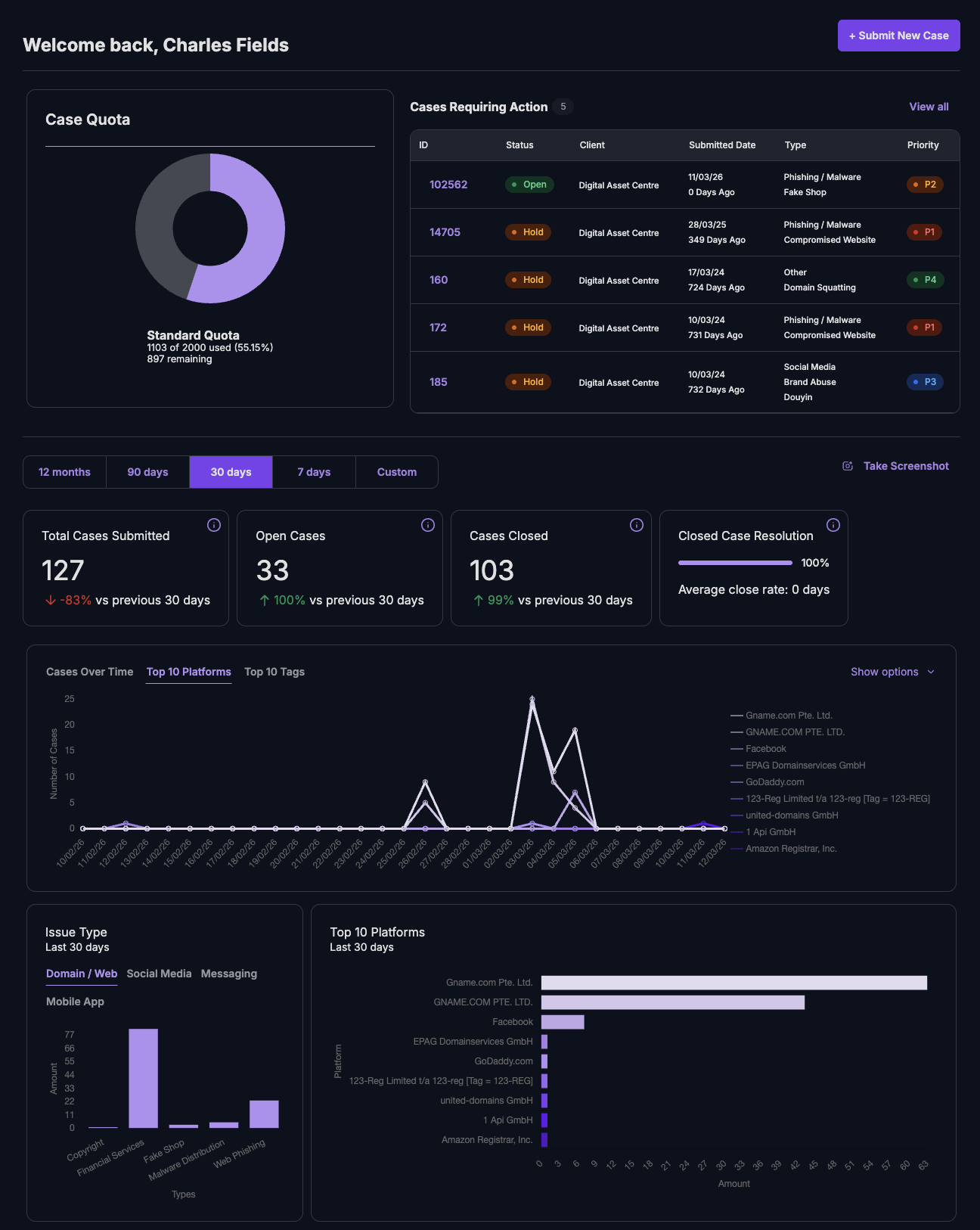
How Unphish supports compliance
Meeting cybersecurity obligations requires more than written policies. Organisations need the ability to identify digital threats, respond quickly and maintain clear records of the actions they’ve taken. As cybersecurity legislation continues to evolve, proactive threat detection, effective disruption and documented response processes are becoming increasingly important components of a strong compliance program.
Unphish helps organisations detect, investigate and disrupt phishing, impersonation and other forms of digital brand abuse while providing the visibility and evidence needed to support internal governance and regulatory obligations. Learn more about how Unphish works or discover why organisations choose Unphish.
FAQs
Learn more about cybersecurity compliance, regulatory obligations and how organisations can strengthen their security posture while meeting evolving legislative requirements.
1. How do cybersecurity regulations apply to my business?
2. How does cybersecurity compliance relate to brand protection?
3. What cybersecurity legislation should I follow?
Stay ahead of your compliance obligations
Cybersecurity legislation continues to evolve, but protecting your customers and your brand starts with proactive threat detection. Discover how Unphish helps organisations strengthen compliance through intelligence-led threat detection, investigation and disruption.